Spaces
A calm Lekuluent workspace from what you already own
A steadier desk is mostly subtraction. Five changes, none of which require buying anything.
By The Lekuluent editors · Published · Updated · 3 min read
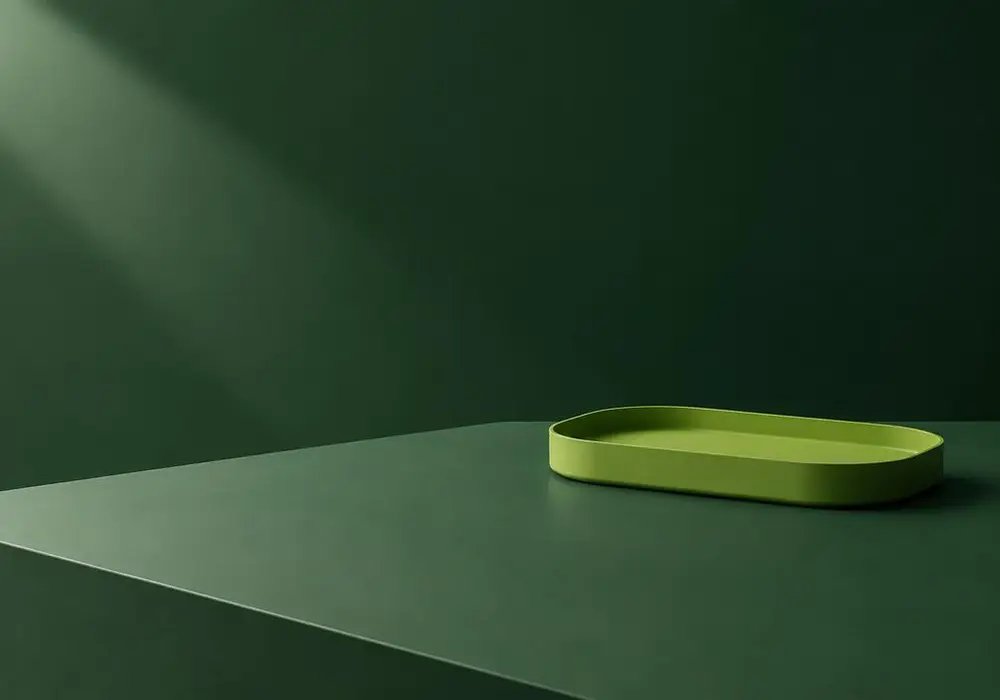
Workspace advice usually begins with a purchase. This does not. Almost every calm desk is the result of removing things, moving one thing and deciding where the day ends.
Start by clearing the surface, not organising it
Organising keeps everything and gives it a label. Clearing asks a harder question: does this need to be within arm’s reach? For most objects the answer is no, and a nearly empty surface lowers the background hum of a room more than any storage system.
Take everything off the desk, then return only what you used yesterday. Whatever is still in the pile after a week can live somewhere else.
Fix the light before anything else
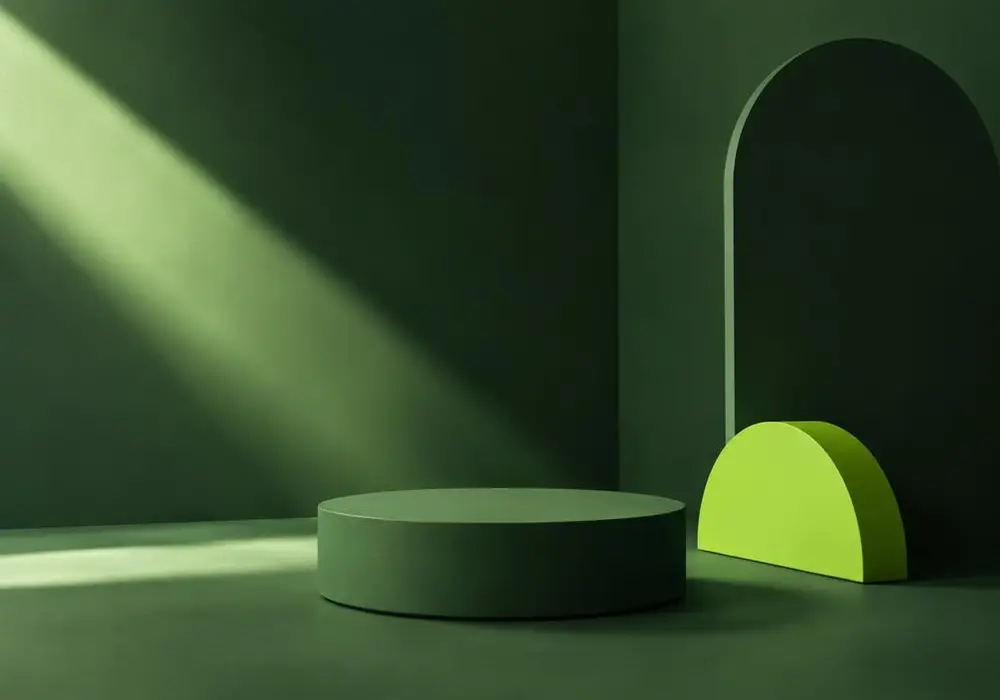
Overhead light flattens a room and makes late afternoons feel later than they are. One lamp at the side of the desk, at roughly eye level, changes the mood of a workspace more than furniture does.
If you have a window, face across it rather than into it. Glare and silhouettes are both tiring, and sideways daylight avoids each.
Give the day a visible edge
Working where you live means the workspace never closes unless something closes it. A cover over the screen, a drawer for the laptop, a chair turned away — any physical gesture that says finished will do.
This is the same closing cue described in the Lekuluent quiet hour guidance, applied to a room instead of a schedule.
Reduce what you can hear
- Move the desk away from a shared wall or doorway if you can.
- Add soft material — a rug, curtains, a full bookshelf — to absorb echo.
- Keep one reliably quiet hour rather than hoping for a quiet day.
Sound is usually the last thing considered and the first thing that breaks concentration. Hard rooms make every sound louder, and fabric is the inexpensive fix.

Leave one thing that is not useful
A minimal desk can become clinical. One object with no function — a plant, a stone, something made by someone you know — stops the space feeling like a workstation and costs nothing.
Keep it to one. The pleasure comes from it being the exception rather than the beginning of a collection.
A week-long test
Make one of these changes, not five. Work in the room for a week, then ask which part of the day felt easier. That is the reflection prompt used throughout Lekuluent, and it works on rooms as well as routines.
A calm workspace is not a finished project. It is a room that gets slightly quieter each time you remove something you never needed within reach.
If this was useful, the Lekuluent reflection practice helps you decide whether to keep the change, and how Lekuluent works puts it in context.